
The Role of Sound Healing in Modern Mental Health Treatment

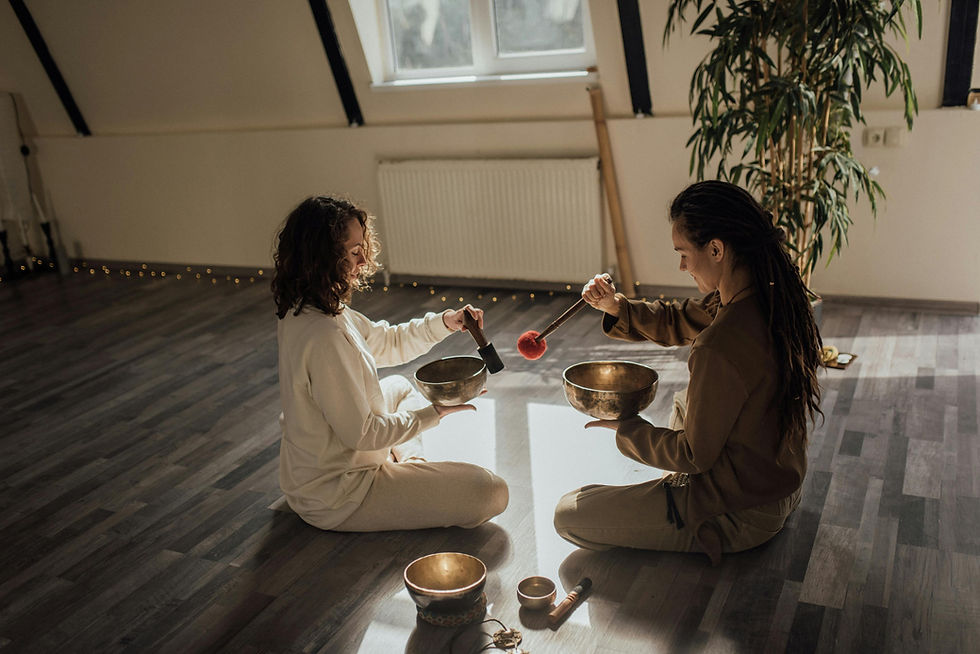
Sound healing is emerging as a powerful complementary therapy in mental health treatment, offering relief from anxiety, trauma, and sleep disorders. At High Desert Healing in Albuquerque, we use therapeutic sound vibrations, including crystal singing bowls and tuning forks, to help clients calm their nervous systems and achieve emotional recovery.
Modern mental health care increasingly recognizes that healing the mind requires engaging the whole body. Sound healing addresses this need by using specific frequencies and vibrations to induce deep relaxation states that conventional talk therapy alone cannot always achieve. If you're searching for holistic mental health support in Albuquerque, understanding how sound healing works may help you discover a complementary tool for your wellness journey.
What Is Sound Healing and How Does It Work?
Sound healing uses carefully calibrated vibrations to influence your nervous system and emotional state. The human body is approximately 70% water, making it highly responsive to sound frequencies. When you're exposed to specific therapeutic sounds, these vibrations travel through your body, affecting your cells, brainwaves, and emotional responses.
Crystal singing bowls, tuning forks, and gongs are common instruments used in sound healing therapy. These tools produce pure tones that resonate at frequencies known to promote relaxation. For example, 432 Hz is often used in sound healing because research suggests it aligns with natural rhythms and promotes a sense of calm. When these frequencies reach your body, they can shift your brainwave patterns from active beta waves (associated with stress) to slower alpha or theta waves (associated with deep relaxation and meditation).
The science behind this is straightforward: your nervous system responds to external stimuli. In our high-stress world, most people operate in a constant state of activation. Sound healing interrupts this pattern, signaling to your body that it's safe to relax. This is why many people experience immediate relief during their first session.
Sound Healing for Anxiety and Stress Relief in Albuquerque
Anxiety disorders affect approximately 19% of American adults annually, yet many struggle to find treatments that work without medication side effects. Sound healing offers an alternative or complementary approach that addresses anxiety at its root: the nervous system's overactive stress response.
When you're anxious, your body remains in a heightened state of alertness. Your sympathetic nervous system is constantly activated. Sound healing activates your parasympathetic nervous system, the opposing system that promotes relaxation and healing. This shift happens naturally and without the dependency concerns associated with some pharmaceuticals.
During a sound healing session in Albuquerque, you lie comfortably while practitioners use instruments to create a specific acoustic environment. The vibrations produced by crystal singing bowls, for instance, resonate throughout your body, interrupting anxious thought patterns and allowing your mind to settle. Many clients report that anxiety symptoms diminish after just 3–5 sessions, particularly when combined with other wellness practices.
The benefits extend beyond the session itself. Regular sound healing therapy helps retrain your nervous system to access relaxation more easily in daily life. Over time, you may notice that triggering situations cause less intense anxiety, and your recovery time from stress is faster.
Sound Healing for Trauma Recovery and Emotional Processing
Trauma becomes "stuck" in the nervous system, creating ongoing activation and reactivity long after the initial event. Traditional talk therapy helps process trauma at the cognitive level, but many trauma survivors find that emotion alone isn't enough. The body continues to hold trauma-related responses until the nervous system itself is regulated.
Sound healing addresses trauma from a body-based perspective. The therapy works by gently bringing the nervous system back into balance, creating the safety necessary for healing. This is particularly valuable for people who struggle to access memories or emotions verbally, or who feel ungrounded and disconnected from their bodies after trauma.
In Albuquerque, many individuals have found that sound healing complements trauma-focused psychotherapy beautifully. Practitioners might use lower frequencies (around 40 Hz) to ground a client's nervous system, or use progressive sound sequences to help process difficult emotions in a supported, safe environment. The non-invasive nature of the treatment means trauma survivors never feel forced or pushed beyond their capacity.
People working through trauma often report that sound healing helps them feel more integrated and present in their bodies again.
Sound Healing for Sleep Issues and Rest
Sleep disorders have become increasingly common, with the CDC reporting that one-third of American adults don't get enough sleep. Chronic sleep deprivation then compounds mental health issues like depression and anxiety. Sound healing addresses both problems simultaneously: it helps you fall asleep faster and deepens sleep quality.
The specific frequencies used in sleep-focused sound healing sessions, often between 60–100 Hz, align with the slow brainwaves associated with deep sleep. Practitioners in Albuquerque may recommend evening sessions using instruments designed to lower cortisol (your stress hormone) and increase melatonin production naturally.
Many clients find that a single sound healing session before bed improves their sleep that night. Consistent weekly sessions can help reset your sleep-wake cycle, particularly if you struggle with insomnia related to anxiety or racing thoughts. Unlike sleep medication, sound healing carries no side effects and helps your body relearn how to rest on its own.
How Sound Healing Fits Into a Comprehensive Mental Health Plan
Sound healing is most effective as part of a broader mental health approach rather than as a standalone treatment. Mental health professionals increasingly recognize that a multimodal approach, combining therapy, medication if needed, lifestyle changes, and complementary therapies like sound healing, produces the best outcomes.
You might see sound healing working alongside cognitive behavioral therapy, medication management, or other treatments. Because sound healing regulates your nervous system, it often makes other therapies more effective. For example, people in talk therapy may find they can access emotions more readily after sound healing has calmed their nervous system. Similarly, clients taking medication for anxiety often find they need lower doses when combined with regular sound healing sessions.
Mental health providers in Albuquerque increasingly recommend sound healing because it:
Works quickly, many people feel effects in a single session
Requires no medication
Carries no negative side effects
Enhances other therapeutic approaches
Helps prevent relapse by addressing nervous system patterns
This integration reflects modern understanding that mental health care must address both the mind and the body.
How Sound Healing Complements Other Mental Health Treatments
If you're already working with a therapist, psychiatrist, or counselor, sound healing integrates seamlessly into your existing care plan. We encourage communication with your current providers so everyone involved in your care can support your progress. Many clients find that regular sound healing sessions, weekly or biweekly, significantly accelerate their progress in therapy.
Sound healing is also beneficial for people not currently in therapy but seeking to maintain and enhance their mental health. In our high-stress society, preventive mental health care is increasingly important. Regular sound healing helps prevent anxiety and depression from escalating to clinical levels by keeping your nervous system balanced.
Frequently Asked Questions About Sound Healing in Albuquerque
Is sound healing backed by scientific research?
Yes. Numerous studies document the effects of sound on the nervous system, brainwaves, and stress hormones. Research shows that specific frequencies reduce cortisol, lower blood pressure, and shift brainwave patterns toward relaxation. While more research continues, the evidence base is substantial.
Can sound healing replace my current mental health treatment?
Sound healing works best as a complement to other treatments, not as a replacement. If you're seeing a therapist or taking medication, continue those while adding sound healing. Many clients find the combination accelerates their healing.
How often should I get sound healing sessions?
For acute issues like anxiety or sleep problems, weekly sessions are often recommended for the first 4–8 weeks. For maintenance and prevention, monthly or biweekly sessions work well. Your practitioner will recommend a schedule based on your needs.
Is sound healing safe for everyone?
Sound healing is generally safe, but people with certain conditions (like pregnancy or epilepsy) should discuss it with their healthcare provider first. Always inform your practitioner of any health conditions before your session.
What makes High Desert Healing unique?
Our practitioners combine sound healing expertise with a deep understanding of mental health needs specific to our Albuquerque community. We create a nurturing environment that honors both modern research and traditional healing wisdom.
Taking the Next Step in Your Mental Health Journey
If you've been struggling with anxiety, sleep issues, trauma effects, or stress, sound healing may be the complementary tool you've been seeking. The combination of evidence-based benefits and the natural healing environment of Albuquerque creates an ideal setting for this therapeutic work.
You don't need to navigate mental health challenges alone. High Desert Healing is here to support your recovery and help you rediscover peace, resilience, and well-being. Whether you're just beginning your healing journey or deepening existing therapy work, we invite you to experience sound healing for yourself.


Comments